

Views: 215 Author: Site Editor Publish Time: 2025-12-12 Origin: Site


Understanding the Importance of Manual Wheelchair Maintenance
Frame and Structure Inspection: Keeping Your Manual Wheelchair Strong
Manual wheelchairs are vital tools for individuals with mobility challenges, offering independence and freedom. However, like any piece of equipment that undergoes regular use, a manual wheelchair requires proper care and maintenance to ensure its longevity, safety, and optimal performance. Properly maintaining your manual wheelchair not only helps you extend its lifespan but also enhances your comfort and reduces the risk of accidents. This comprehensive guide will walk you through the most effective ways to maintain your manual wheelchair and keep it in top condition for as long as possible.
Manual wheelchairs are designed for daily use, often traveling across various surfaces and enduring substantial wear and tear. If not properly maintained, they can experience issues like reduced mobility, discomfort, or even breakdowns. The importance of regular maintenance cannot be overstated, as it prevents unexpected malfunctions, reduces repair costs, and ensures the chair remains functional and comfortable.
Extended Lifespan: Proper maintenance helps prolong the life of your wheelchair, reducing the need for expensive repairs or replacements.
Safety: Regular checks ensure all parts are functioning correctly, preventing accidents caused by faulty components.
Comfort: Keeping the chair in good condition helps ensure it remains comfortable to use, enhancing the user’s experience.
Cost Savings: A well-maintained wheelchair is less likely to need costly repairs or part replacements.
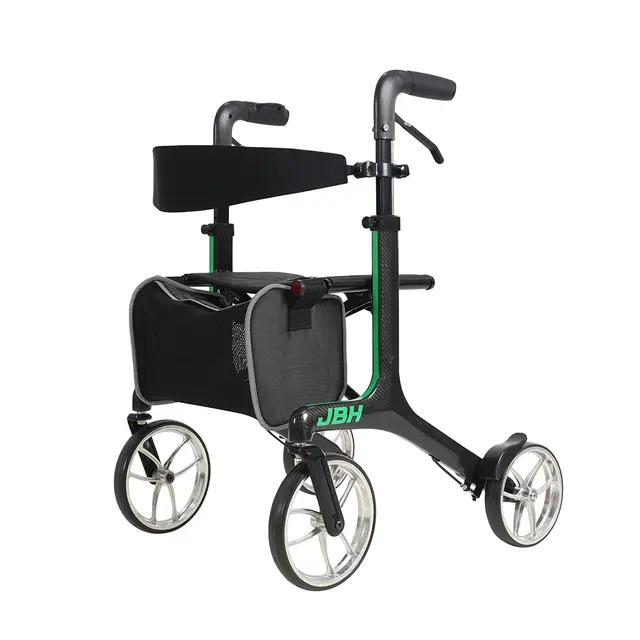
Maintaining the cleanliness of your manual wheelchair is essential for both health and performance. Dirt, debris, and moisture can accumulate in various parts of the wheelchair, leading to damage over time. Keeping your wheelchair clean will not only improve its appearance but will also help prevent wear and tear.
A clean wheelchair prevents the buildup of bacteria, mold, and allergens, promoting better hygiene and reducing the risk of skin irritation or infections. It also helps to maintain the chair's materials, preserving both its functionality and appearance.
Remove Loose Dirt and Debris: Use a soft brush or vacuum cleaner to remove dirt and crumbs from the wheels, upholstery, and frame.
Wash the Upholstery: Clean the seat, backrest, and footrests with a mild soap solution and warm water. Avoid using harsh chemicals that could damage the fabric or materials.
Clean the Frame: Wipe down the wheelchair’s frame with a damp cloth to remove dirt and grease. You can use a mild cleaning solution if needed.
Dry the Components: After cleaning, ensure that the wheelchair is completely dry before use to prevent moisture from causing rust or mold growth.
The tires and wheels are crucial to the mobility of your manual wheelchair, and their condition directly impacts the user’s experience. Whether you use solid or pneumatic tires, they require regular attention to ensure smooth and reliable movement.
Tire Pressure: For pneumatic tires, check the air pressure regularly. Underinflated tires make pushing the wheelchair more difficult and can cause uneven wear. Overinflated tires increase the risk of punctures.
Visual Inspection: Look for cracks, punctures, or signs of wear on both the tires and rims. If any part is damaged, replace it immediately.
Clean the Tires: Dirt and debris can affect tire performance, so clean them regularly to maintain traction and performance.
Check the Bearings: Ensure the wheel bearings are functioning smoothly by rotating the wheels. If there’s any resistance or noise, they may need lubrication or replacement.
Wheel Alignment: Make sure the wheels are properly aligned to prevent uneven wear and enhance the chair's stability. Misaligned wheels can cause discomfort and make the chair harder to maneuver.
The frame of your manual wheelchair provides the necessary support and durability, and any damage to the frame can compromise both the safety and comfort of the user. Routine inspections of the frame are essential for identifying any potential issues early.
Look for Cracks or Bent Areas: Inspect the frame for signs of damage, such as cracks, dents, or bent areas. Pay close attention to the areas that experience the most stress, such as the armrests, footrests, and rear axle.
Check the Welds: The welds on the wheelchair’s frame should be intact and free from damage. Any loose or broken welds should be repaired immediately.
Loose Parts: Ensure that all screws, bolts, and nuts are tightly secured. Over time, vibrations from regular use can cause these parts to loosen.
Structural Integrity: If you notice any change in the chair’s alignment or feel, have the frame checked for structural issues. This is especially important for heavier users or individuals who rely on their wheelchair for extensive periods.
One of the most important aspects of wheelchair maintenance is ensuring the chair is properly adjusted to the user's needs. A poorly adjusted wheelchair can lead to discomfort, pressure sores, or even long-term health problems.
When your manual wheelchair is customized to your specific body dimensions and comfort preferences, it provides the best possible support. This reduces the risk of discomfort and helps prevent long-term physical issues like joint pain or muscle strain.
Seat Depth: Adjust the seat depth so that there’s a two-inch gap between the front of the seat and the back of the knee. This prevents pressure sores and ensures comfort.
Backrest Angle: Adjust the backrest to a comfortable angle to support your back properly and reduce strain. The angle should allow you to sit upright without leaning forward.
Footrests: Ensure the footrests are positioned so that your feet are flat on the ground or footrests, helping to prevent pressure on the legs.

Lubrication is a vital part of maintaining a manual wheelchair’s performance. It helps to reduce friction in the moving parts, ensuring smoother operation and preventing rust.
Wheels and Bearings: Regular lubrication of the wheel bearings helps to maintain smooth rotation and reduces friction.
Axles and Moving Joints: Lubricate any moving parts of the frame, such as the axles, to ensure smooth folding and unfolding without resistance.
Use the Right Lubricant: Always use a lubricant specifically designed for wheelchairs. Silicone-based lubricants are ideal as they don't attract dirt and dust like oil-based products.
Apply Lubricant Sparingly: Apply the lubricant to the necessary components and wipe away any excess to prevent it from attracting debris.
Proper storage and transportation are key to ensuring your manual wheelchair remains in top condition, even when it’s not in use. Whether you’re traveling or simply storing it for the night, taking care of your wheelchair can prevent unnecessary damage.
Dry, Cool Place: Always store your wheelchair in a dry, cool environment, away from direct sunlight and moisture. This prevents rust and keeps the materials from degrading.
Fold or Dismantle When Necessary: If you're not using your wheelchair for a while, fold or dismantle it to save space and reduce wear on the joints and moving parts.
Use a Wheelchair Bag: If you're traveling with your manual wheelchair, use a protective bag to shield it from scratches, dirt, and accidental damage.
Avoid Overloading: Ensure that the wheelchair is not overloaded with heavy items, which can cause strain on the frame and wheels.
Maintaining your manual wheelchair is crucial for ensuring both its longevity and your safety. Regular cleaning, inspection, and proper adjustments can help extend the lifespan of your chair and keep it running smoothly for years to come. By following this ultimate checklist, you can ensure that your manual wheelchair remains in top condition, providing you with the comfort and independence you deserve.
1. How often should I clean my manual wheelchair?
It’s recommended to clean your manual wheelchair at least once a week, or more often if used in harsh conditions.
2. How can I prevent my wheelchair tires from wearing out quickly?
Regularly inspect tire pressure, avoid rough terrain, and replace tires when worn down to ensure longevity.
3. Is lubrication necessary for manual wheelchairs?
Yes, lubrication helps to reduce friction and prevent rust on moving parts, ensuring smoother operation.


