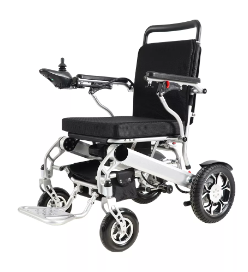
Choosing the correct rear wheel size is one of the most important decisions when selecting a manual wheelchair. The rear wheel diameter affects how easily a user can push, how efficiently the chair rolls, the final seat position, and how confidently it handles uneven surfaces.
Read More 
Choosing between a folding wheelchair and a rigid wheelchair is not only about whether the frame can collapse. The frame structure affects pushing efficiency, transport convenience, adjustment options, maintenance requirements, and long-term usability.
Read More 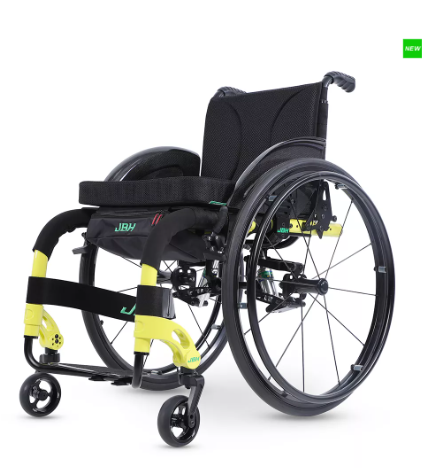
Choosing a manual wheelchair is not only about frame weight, seat dimensions, or rear wheel configuration. The front caster system has a major influence on how easily the wheelchair turns, crosses obstacles, maintains stability, and performs in different environments.
Read More 
A reliable braking system is essential for manual wheelchair safety, especially during transfers, parking, and daily positioning.
Read More 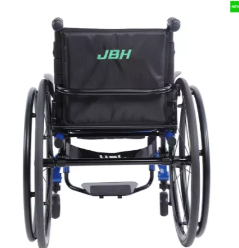
Choosing the correct seat height is one of the most important steps when selecting a manual wheelchair.
Read More 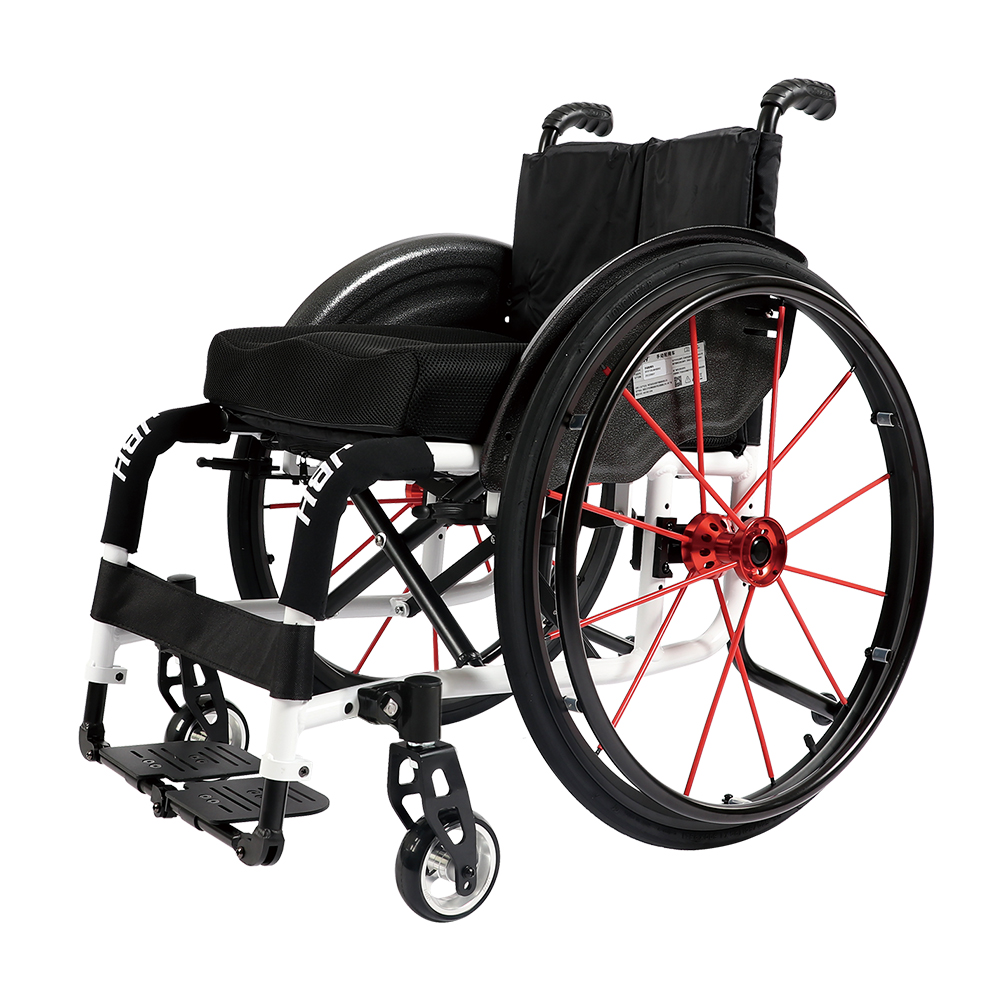
How fast does a manual wheelchair go? Learn realistic speeds for daily use, sprinting, and attendant-propelled chairs. Maximize your mobility.
Read More