

Views: 0 Author: Site Editor Publish Time: 2026-09-01 Origin: Site


Few things disrupt a daily routine faster than an unexpected flat tire. For mobility device users, a puncture often means sudden immobility and immense frustration. This anxiety drives the ongoing debate between pneumatic air-filled tires and solid alternatives. Your tire choice directly dictates daily maintenance schedules. It impacts ride comfort and defines overall reliability. Air-filled options offer cushioning but bring constant puncture risks. Solid tires promise peace of mind but raise questions about ride quality. This guide provides an evidence-based breakdown of how mobility scooter solid tires actually perform across various terrains. We aim to help buyers make an informed, decision-stage evaluation. You will learn to navigate the pros and cons objectively. This guide helps you avoid exaggerated marketing claims while choosing the best fit for your daily lifestyle and specific travel needs.
Solid tires guarantee zero punctures and eliminate standard air-pressure maintenance.
Indoor performance is highly optimized (no scuffing, low rolling resistance).
Outdoor performance on solid tires requires realistic expectations: excellent on paved surfaces, but heavily reliant on the scooter’s suspension system for rougher terrain.
For a Travel Mobility Scooter or Lightweight Mobility Scooter, solid tires are the industry standard due to weight reduction and reliability.
We must define the structural differences first. Solid tires consist of highly dense polyurethane or molded rubber compounds. Manufacturers engineer them without any inner air cavities. Pneumatic tires, conversely, rely entirely on an inner tube filled with compressed air. This fundamental engineering contrast creates vastly different riding experiences. You must weigh these structural differences carefully before making a purchase.
Maintenance realities often dictate the final choice for many users. Pneumatic tires demand regular PSI checks to ensure optimal performance. If you ignore your tire pressure, you risk a sudden blowout. An unexpected blowout leaves you stranded outdoors far from home. Solid tires offer exceptional "install-and-forget" reliability. You never need to carry a bulky air pump. You never need to handle messy patch kits. Every Mobility Scooter requires basic mechanical upkeep. However, solid tires remove wheel maintenance from your daily checklist completely. This functional advantage saves you significant time and effort.
We must also establish the comfort tradeoff honestly. Solid tires transfer more kinetic energy from the ground directly to the rider. You will inevitably feel more vibrations on bumpy roads. The dense material cannot compress and rebound like an air balloon. Air-filled tires absorb these micro-shocks much better. This physical limitation remains the primary drawback of solid wheels. Therefore, manufacturers must compensate for this rigidity through intelligent frame design. They must add superior seat cushioning to maintain ride quality.
Indoor environments play heavily to the strengths of solid wheels. We need to analyze surface compatibility closely. They grip perfectly on hardwood, ceramic tile, and commercial carpet. Linoleum floors pose no issue. The dense tread provides steady, predictable traction. It never sticks or drags awkwardly. You experience very low rolling resistance indoors. This rolling efficiency actually helps conserve your battery power over long distances.
Friction and turning radius matter deeply in confined spaces. Solid tires feature a highly rigid sidewall structure. They prevent annoying sidewall flex during sharp turns. This structural rigidity yields tighter, highly predictable turning radii. You can navigate narrow hallways safely. You can maneuver around kitchen islands with complete ease. Soft pneumatic tires sometimes deform slightly during tight turns. This deformation makes steering feel sluggish. Solid tires always respond instantly to your steering inputs.
Floor protection serves as another massive benefit. Manufacturers typically use specialized non-marking polyurethane compounds. These tires leave absolutely no black scuff marks behind. Your home floors remain pristine. Retail spaces, museums, and grocery stores stay clean. You never have to worry about causing property damage.
Hardwood Floors: Excellent grip, zero scuffing, very low rolling resistance.
Ceramic Tile: Smooth rolling, easy transitions over standard grout lines.
Commercial Carpet: Minimal friction, highly predictable turning response.
Thick Residential Carpet: Slight increase in rolling resistance, but maintains overall stability.
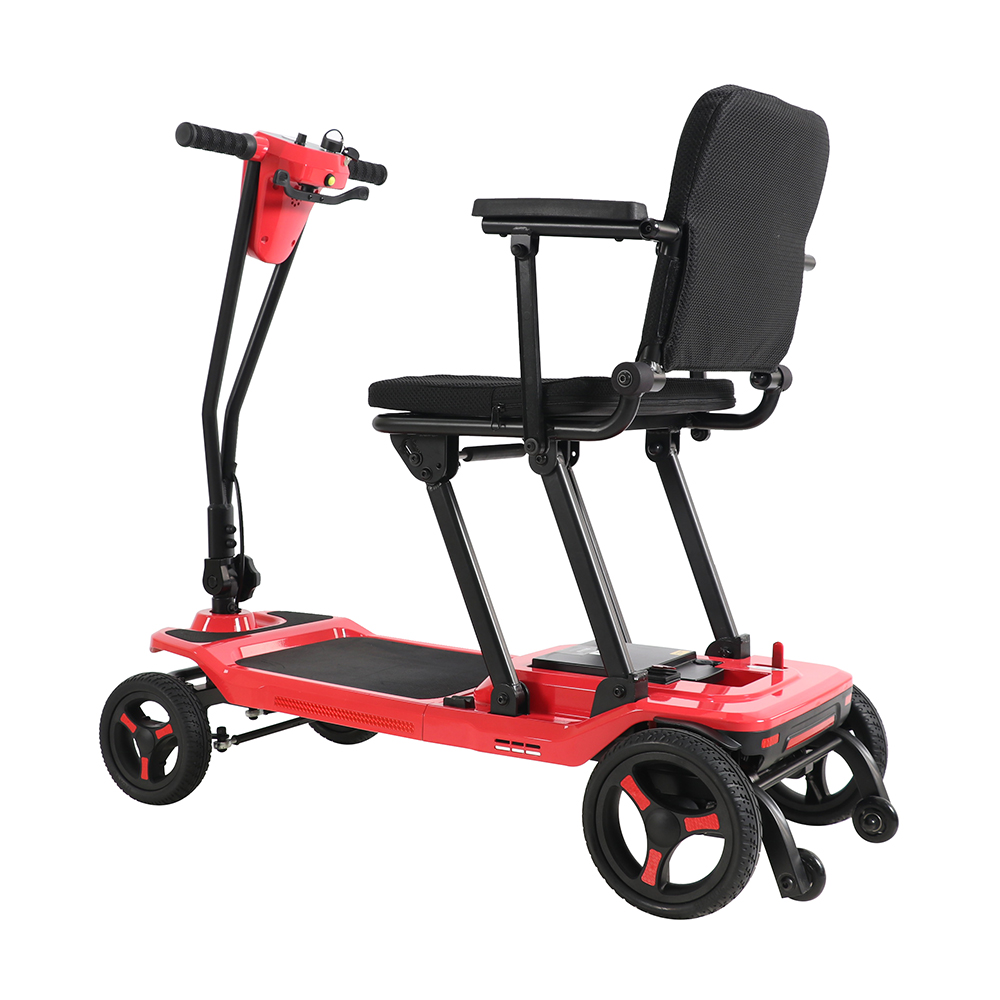
Outdoor terrain demands realistic user expectations. We must clearly delineate where solid tires succeed. They thrive on smooth concrete sidewalks. They roll beautifully over fresh asphalt. ADA-compliant ramps feel completely effortless. You will conquer these paved surfaces seamlessly. However, we must acknowledge where they struggle. Loose gravel challenges their traction limits severely. Thick grass bogs them down quickly. Cobblestone pathways create intense vibrations. You should avoid deeply rutted dirt trails entirely.
Suspension dependency acts as a critical buying framework. If you choose solid tires for outdoor use, you must evaluate the chassis suspension. Solid tires lack built-in shock absorption. Without structural shock absorbers, you will experience rapid rider fatigue. The scooter frame must absorb the kinetic impacts instead of the tires.
Inspect the front fork for integrated dampening springs.
Check the rear axle for dual shock absorbers.
Test the seat post for internal suspension mechanisms.
Ensure the seat cushion uses high-density ergonomic foam.
Weather considerations also require your attention. Solid tires possess a slightly lower traction threshold on wet pavement. Pneumatic treads often disperse standing water better. We advise standard caution during rainy weather. You should take corners slower when surfaces look slick. Avoid driving through deep, hidden puddles to maintain optimal control.
Terrain Type | Solid Tire Performance | Primary Consideration |
|---|---|---|
Paved Sidewalks | Excellent | Ideal operating environment with maximum battery efficiency. |
ADA Ramps | Excellent | Provides consistent, reliable grip on inclines. |
Cobblestone | Poor | Causes high vibration and rapid rider fatigue. |
Wet Asphalt | Moderate | Requires reduced speed for maximum safety. |
Portability changes mobility engineering priorities entirely. A Lightweight Mobility Scooter must shed every unnecessary ounce. Solid tires strip away the weight of heavy metal rims. They remove thick rubber casings. They eliminate metal air valves completely. This aggressive weight reduction makes the scooter much easier to lift. You can load it into your car trunk without straining your back. Every saved pound improves daily usability.
Travel compliance demands predictable reliability. A Travel Mobility Scooter frequently navigates busy airports. It rolls down narrow cruise ship corridors constantly. Users constantly fold and unfold these devices during transit. Nobody wants to carry a tire patch kit on vacation. You do not want to pack a bulky air compressor in your luggage. Solid tires guarantee you reach your boarding gate on time. They simplify the entire travel experience immensely.
We must frame the evaluation around failure mitigation. A flat tire on a vacation acts as a critical failure. It ruins expensive travel plans immediately. It causes immense stress far from home. Solid tires mitigate this localized risk entirely. You trade a slight amount of cushion for absolute certainty. This trade-off is widely accepted as the industry standard for highly portable models.
Evaluating a scooter means looking at the whole system. You cannot judge a device just by its tires. Top engineers balance tire rigidity with advanced frame flexibility. They design ergonomic seating to offset wheel stiffness. They optimize the center of gravity for stable cornering. The scooter chassis must work in harmony with the wheels.
The FDB05 Mobility Scooter demonstrates excellent system-level design. This model integrates solid tires with a highly specific frame geometry. It balances extreme portability with acceptable vibration dampening. The chassis flexes slightly to absorb minor bumps along the pavement. This engineering makes the FDB05 perfect for daily errands. You can navigate grocery aisles and shopping malls comfortably.
The FDB12 Mobility Scooter takes a slightly different approach. This model utilizes optimized solid tire diameters. Larger wheels roll over obstacles much easier. Furthermore, it uses advanced motor torque to handle difficult transition zones. It effortlessly crosses threshold ramps. It climbs standard curb cuts without stalling. You keep the zero-maintenance benefit entirely. At the same time, you do not sacrifice necessary outdoor capability.
We strongly recommend solid tires for users prioritizing zero maintenance. They remain the superior choice for indoor maneuverability. They offer unmatched peace of mind for daily travel reliability. The elimination of puncture anxiety transforms the ownership experience completely. You simply hop on and ride without checking air pressure.
Your next steps require honest self-evaluation. Verify your typical daily terrain carefully. If you mostly drive on sidewalks, retail stores, and indoors, solid wheels are perfect. Ensure your shortlisted models pair solid tires with appropriate ergonomic seating. Look closely at the suspension setups before buying. Models like the FDB series prove you can enjoy puncture-proof reliability without suffering extreme discomfort. Make your choice based on your actual daily routes, not theoretical off-road capabilities.
A: Yes, solid tires experience tread degradation over time. While they never suffer puncture failures, friction wears the rubber down. Most users need replacements every one to three years. This timeline depends entirely on your mileage and usual terrain. When the tread looks completely smooth, you should replace them.
A: You can find the size printed directly on the tire sidewall. It typically appears as two numbers, like 10 x 2.125. The first number represents the outer diameter. The second number indicates the tire width. This standard measurement helps you find compatible replacements easily.
A: Retrofitting carries significant structural risks. Solid tires require precise hub compatibility. They can inadvertently alter your ride height. Furthermore, they increase vibration on frames not originally designed for them. You should always consult your manufacturer specifications before attempting this specific modification.


