

Views: 315 Author: Site Editor Publish Time: 2026-01-20 Origin: Site


The Importance of Investing in High-Quality Manual Wheelchairs
Case Studies: Medical Facilities That Benefit from High-Quality Manual Wheelchairs
When outfitting a medical facility with manual wheelchairs, the decision to invest in high-quality options can have far-reaching implications. Manual wheelchairs are essential tools for patient mobility and care, particularly in settings like hospitals, nursing homes, and rehabilitation centers. However, with a wide range of models available, it can be difficult to determine which type provides the best value for money in the long term.
This article offers an in-depth cost-benefit analysis of investing in high-quality manual wheelchairs for medical facilities. It will explore the key factors that influence costs, the advantages of superior models, and how choosing the right wheelchair can significantly impact patient outcomes, operational efficiency, and the facility’s bottom line.
Manual wheelchairs are a critical component of daily operations in medical facilities, providing mobility for patients with varying degrees of disability or injury. While there are cheaper alternatives on the market, choosing a high-quality manual wheelchair brings numerous advantages, both for the facility and the patients it serves.
The quality of a wheelchair can directly affect the patient's comfort, safety, and overall experience. A well-constructed, durable manual wheelchair reduces the risk of mechanical failures and improves the user’s quality of life. Additionally, a quality wheelchair minimizes the chances of frequent repairs, offering long-term cost savings. In a healthcare setting, this means more efficient use of resources and less time spent on maintenance, leading to increased satisfaction for both staff and patients.
For medical facilities looking to optimize their investment, high-quality manual wheelchairs can be seen as a long-term cost-saving measure rather than a short-term expenditure. By carefully considering the trade-offs between cost and quality, healthcare providers can make better decisions that benefit both their financial stability and patient care.
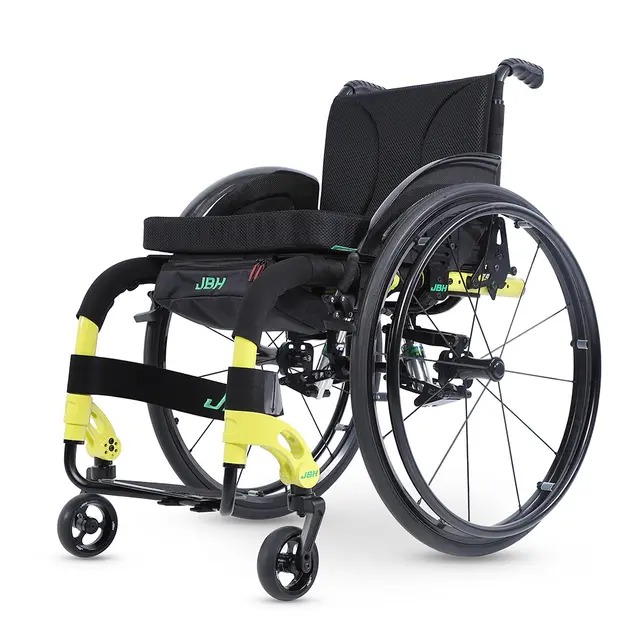
Before diving into the benefits of high-quality manual wheelchairs, it's important to first understand the different cost factors that contribute to their price. Manual wheelchairs vary widely in cost, with basic models often costing significantly less than more advanced versions. The primary cost factors to consider include:
Frame Material: Manual wheelchairs are often made from steel, aluminum, or titanium. Aluminum and titanium frames tend to be more expensive, but they are also lighter, more durable, and rust-resistant.
Wheels and Tires: High-quality tires that offer better grip and durability can increase the overall cost of a wheelchair. Some models come with air-filled tires, while others feature solid or semi-solid rubber tires.
Customizations: Custom features such as adjustable armrests, footrests, seating cushions, and specialized backrests can add significant costs to the base price.
Weight Capacity: Wheelchairs designed to accommodate higher weight limits or bariatric patients generally cost more due to reinforced frames and heavy-duty components.
Accessories and Features: Some manual wheelchairs come with additional features like foldable designs for easy storage, anti-tippers for added safety, or ergonomic seating to enhance comfort.
Understanding these cost factors allows medical facilities to choose wheelchairs that best meet the needs of their patients while balancing financial considerations.
Investing in high-quality manual wheelchairs often means paying a higher upfront cost, but it also brings greater durability and longer service life. Premium materials like aluminum or titanium frames provide greater strength while remaining lightweight. These materials also resist corrosion and wear, meaning that the wheelchair will remain in service for many years without needing frequent repairs or replacements.
High-quality wheelchairs are built to withstand the rigors of daily use in medical settings. The frames, wheels, and mechanisms are designed for enhanced durability, reducing the likelihood of breakdowns that can disrupt patient care. While lower-quality wheelchairs may be cheaper initially, they often require more frequent maintenance and repairs, which can add up over time.
The comfort of the patient using the wheelchair is paramount. High-quality manual wheelchairs are designed with ergonomics in mind, offering better seating and backrest options to prevent discomfort, skin sores, or muscle strain. Additionally, they often feature adjustable parts that allow customization for individual needs, making them suitable for a wide range of patients, from those with temporary injuries to those with chronic conditions.
Comfortable, well-constructed wheelchairs also encourage greater mobility, which is essential for patient rehabilitation. Patients who are more comfortable and able to move with ease may experience quicker recovery times and higher levels of satisfaction with their care.
One of the most compelling reasons for medical facilities to invest in high-quality manual wheelchairs is the significant cost savings in maintenance and repairs. While high-end models may come with a higher initial purchase price, they tend to require fewer repairs and less frequent part replacements compared to cheaper alternatives.
Cheaper wheelchairs are often prone to issues such as broken wheels, worn-out upholstery, or malfunctioning brakes. These issues can disrupt operations in a medical facility, leading to costly repairs, extended downtime, and the need to purchase replacements more often. In contrast, high-quality manual wheelchairs are built to last, with many models offering long warranties that protect against defects and other issues.
High-quality wheelchairs contribute to overall operational efficiency. Facilities that invest in durable, comfortable, and well-maintained wheelchairs experience fewer disruptions caused by malfunctioning equipment. As a result, staff can focus more on patient care rather than dealing with wheelchair repairs or replacements. Furthermore, patients will have a more reliable means of mobility, leading to faster transfers and smoother interactions with the healthcare environment.
When considering manual wheelchairs for a medical facility, it’s important to weigh the cost against the available features. The primary distinction between budget-friendly and high-quality options lies in the range of features, as well as the materials used in construction.
| Feature | Budget-Friendly Model | High-Quality Model |
|---|---|---|
| Frame Material | Steel or basic aluminum | High-grade aluminum or titanium |
| Wheels and Tires | Standard rubber tires | Pneumatic or solid tires with better grip and durability |
| Weight Capacity | Standard (250-300 lbs) | Higher weight capacity (up to 400-500 lbs) |
| Adjustability | Basic adjustments | Full adjustability (footrests, armrests, backrests) |
| Comfort Features | Minimal padding | Ergonomic seating, pressure-relief cushions |
| Warranty | Short-term warranty | Extended warranty (5+ years) |
While budget models may suffice for short-term use or lower-acuity patients, high-quality manual wheelchairs provide greater patient satisfaction and longer-term benefits.
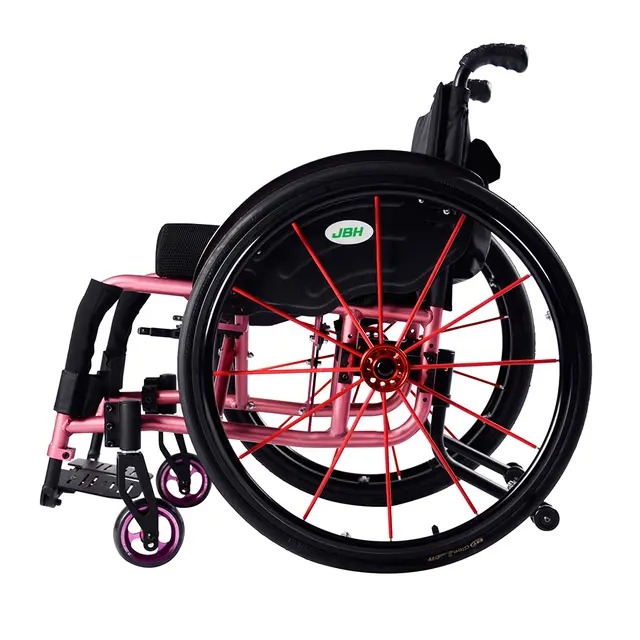
Several hospitals and rehabilitation centers have found that investing in high-quality manual wheelchairs significantly enhances patient care and reduces operational costs. For example, a rehabilitation center that upgraded its wheelchair fleet to higher-end models saw a marked decrease in maintenance costs and an improvement in patient mobility and comfort. As a result, the facility was able to reallocate resources that would have otherwise been spent on frequent repairs and replacements to enhance other aspects of patient care.
Another example comes from a long-term care facility, which found that the improved durability and comfort of high-quality manual wheelchairs reduced patient complaints about discomfort and allowed for smoother transfers between beds and wheelchairs. The facility also saw a reduction in injuries related to wheelchair malfunctions.
Investing in high-quality manual wheelchairs for medical facilities may initially seem like an unnecessary expense, but it offers considerable long-term benefits. From enhanced durability and patient comfort to cost savings in maintenance and improved operational efficiency, these wheelchairs are a smart investment for healthcare providers looking to optimize patient care while managing operational costs.
By carefully assessing the cost factors, understanding the long-term benefits, and choosing the right model, medical facilities can make informed decisions that deliver value both in terms of patient satisfaction and financial performance.
1. What is the difference between a budget-friendly and high-quality manual wheelchair?
Budget-friendly manual wheelchairs are typically made from less durable materials, with fewer adjustability options and basic features. High-quality wheelchairs, on the other hand, feature advanced materials (like titanium), better comfort, and enhanced durability, which lead to fewer repairs and longer service life.
2. How much do high-quality manual wheelchairs typically cost?
High-quality manual wheelchairs typically range from $300 to $3,000, depending on the materials, features, and customization options. Specialized models may cost more.
3. Can a high-quality wheelchair reduce operational costs in a medical facility?
Yes, investing in high-quality manual wheelchairs can reduce maintenance costs and improve operational efficiency by minimizing wheelchair breakdowns and repairs. This also reduces downtime and increases the comfort and mobility of patients.


