

Views: 0 Author: Site Editor Publish Time: 2026-04-07 Origin: Site


Electric wheelchairs improve mobility, but safety does not come from the chair alone. The right electric wheelchair accessories can improve support, control, and confidence every day. In this guide, you will learn which accessories matter most for posture, outdoor visibility, and safer buying decisions based on real daily needs.
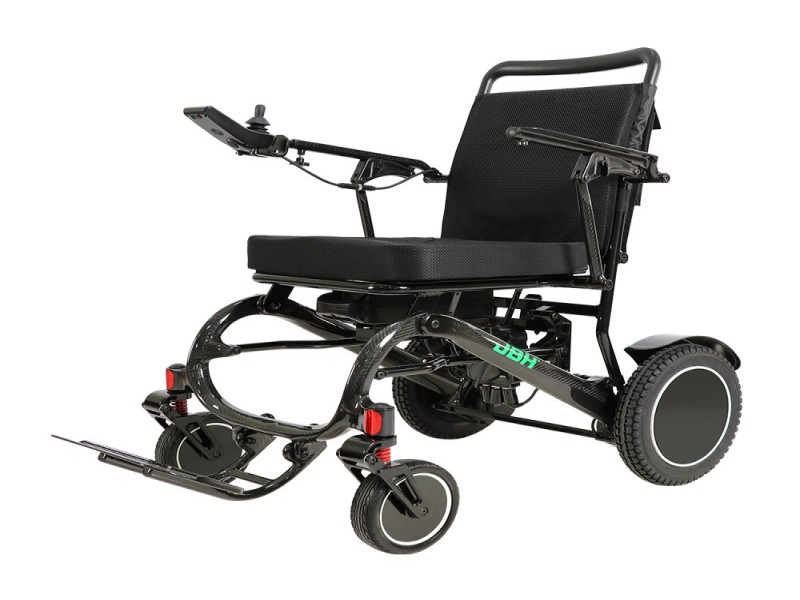
The smartest way to choose electric wheelchair accessories is to start with the risks that appear in daily use, not with the longest product list. Most safety issues fall into four categories: poor support, unstable positioning, hard-to-reach controls, and low visibility outdoors. In real life, that may mean a user needs better head or back support for long sitting sessions, more secure leg positioning to prevent slipping, or accessories that make steering easier to manage in tight spaces or changing environments.
When buyers begin with the actual problem, decisions become much clearer. A user who leans forward after an hour of sitting has different needs from someone who travels through parking lots at dusk. The first user may need a headrest, back support, or pressure-relief cushion. The second may need signal lights, reflective features, or better stability support. Safety-focused buying works best when it solves the most common daily risk first.
Daily-use situation | Main safety risk | Accessory priority |
Long hours seated indoors | Poor posture, pressure buildup, fatigue | Headrest, back support, pressure-relief cushion |
Frequent driving and maneuvering | Awkward reach, slower reactions, control strain | Upper controller holder, easy-access mounts |
Outdoor or mixed-surface travel | Tipping, foot instability, low visibility | Leg rests, anti-tip support, visibility add-ons |
Environment changes what “safe” really means. For indoor users, the biggest concerns are usually posture, comfort, and easy access to controls in tighter spaces. Outdoor users need to think more about uneven ground, ramps, curbs, weather, and visibility in shared areas. Someone who spends most of the day at home may benefit more from seating support than from lighting upgrades. Someone who crosses sidewalks, driveways, or parking lots regularly may need outdoor safety accessories much earlier.
This is why buying accessories one by one without considering use conditions often leads to waste. A product may be well made, but it still may not solve the user’s actual safety issue. Matching accessories to the main environment helps avoid that mistake and creates a setup that supports everyday mobility instead of just adding parts.
Even a well-designed accessory can create problems if it does not fit the wheelchair correctly. Before buying, check mounting size, armrest or frame dimensions, weight support, and whether the accessory can be adjusted without awkward movement. The safest accessories are the ones that fit the chair properly, support the body correctly, and can be used without extra strain.
Adjustability also matters because users rarely sit or drive in exactly the same way. A support that cannot be positioned correctly may create pressure points or encourage poor posture. A controller holder placed at the wrong height may cause shoulder fatigue. The goal is not to add more equipment. It is to build a safer setup that works naturally with the chair and the user’s daily routine.
Positioning accessories do more than improve comfort. They help users stay aligned, reduce fatigue, and maintain steadier control throughout the day. This matters because poor positioning often leads to a chain reaction: the body shifts, the user tires faster, control becomes less precise, and safety drops. For many users, the most valuable electric wheelchair accessories are the ones that keep the body supported before any outdoor or convenience upgrades are added.
Accessory | Primary safety role | Best suited for |
Headrest | Supports head and neck alignment | Users who sit for long periods or fatigue easily |
Upper controller holder | Improves reach and control access | Users with limited arm mobility or awkward joystick positioning |
Leg rests | Stabilizes lower-limb position | Users with swelling, fatigue, or foot instability |
Cushion and back support | Reduces pressure and slouching | Users who need posture support during extended sitting |
A well-positioned headrest helps keep the head, neck, and upper spine in a more neutral posture. That matters more than many buyers expect. Once the head starts drifting forward or to one side, the shoulders often follow, the back collapses, and the user must spend more energy correcting posture while driving. Over time, that can create neck strain, shoulder tension, and reduced comfort during longer periods of sitting.
A headrest is especially useful for users who spend many hours in the chair each day, tire easily, or need extra support when stopping, turning, or riding over uneven surfaces. It can also help users maintain a more consistent line of sight, which supports safer navigation. Instead of forcing the upper body to compensate for weak support, a properly adjusted headrest gives the user a more stable and less tiring starting position.
Control access is a safety issue, not just a convenience feature. If the controller sits too low, too far back, or at an awkward angle, users may need to twist the shoulder, overreach with the arm, or shift their trunk simply to steer. That movement may feel minor at first, but over time it increases fatigue and can reduce reaction speed in crowded or narrow spaces.
An upper controller holder helps by placing the control where the hand can reach it naturally. That improves everyday driving because the user can steer with less effort and maintain a more stable posture while doing so. It is especially valuable for users with limited arm mobility, reduced coordination, or setups where the default controller position does not match the user’s body. Better reach often leads to smoother control, more confidence, and less strain across a full day of use.
Leg support has a direct effect on safe seating. If the lower body is not supported well, the feet may slip, the knees may rotate outward, and the pelvis may shift. Those changes do not just affect comfort. They can make the whole seating position less secure and increase fatigue during longer trips. A full set of leg rests helps maintain lower-limb alignment and creates a more stable base for the rest of the body.
This matters especially for users with swelling, limited lower-limb control, or a tendency for the feet to move off the footplate. Better lower-body positioning can improve comfort, reduce strain, and help users stay safely aligned over time. In many cases, secure leg support also makes transfers and longer sitting periods easier to manage because the user does not need to keep correcting foot or knee position throughout the day.
Cushions and back supports should be treated as core safety accessories because they protect the body from the effects of poor sitting posture. Without proper support, extended sitting can lead to pressure buildup, back pain, poor circulation, and unstable seating. These issues can affect more than comfort. They can make daily driving harder, reduce endurance, and increase the chance of slouching or sliding forward.
A pressure-relief cushion helps distribute weight more evenly, which reduces stress on high-pressure areas during long sitting periods. A supportive backrest helps keep the spine aligned and limits the collapse that often happens when a user becomes tired. Other seating aids can add secure positioning for users with weaker core strength or a tendency to shift during movement. Together, these accessories create a safer foundation for everything else. When the body is supported well, control, endurance, and confidence usually improve with it.
Outdoor travel introduces risks that do not appear as often indoors. Ramps, curb cuts, broken pavement, wet surfaces, and dimly lit crossings all place more demand on the chair and on the user’s reaction time. Because of that, outdoor electric wheelchair accessories should be selected as protective tools, not as optional extras. Stability, visibility, and weather readiness all support safer travel when the environment becomes less predictable.
Outdoor condition | Main risk | Most helpful accessory type |
Ramps and inclines | Backward tipping or loss of balance | Anti-tip wheels or anti-tip bars |
Rough pavement or curb cuts | Sudden jolts and unstable tracking | Stability-focused supports and secure braking setup |
Parking areas or evening travel | Low visibility to drivers and pedestrians | Turn signal lights, reflective strips, visibility gear |
Rain, strong sun, or temperature shifts | Reduced comfort and weaker control | Rain covers, sun canopies, weather-ready protective add-ons |
Extra stability matters because outdoor terrain is unpredictable even on short trips. A smooth indoor floor does not prepare a chair for driveway angles, cracked sidewalks, or the moment one wheel hits a curb cut before the other. Anti-tip accessories are valuable because they help reduce the chance of backward tipping on ramps, slopes, or uneven ground. For users who regularly travel outdoors, that added margin of safety is often worth prioritizing early.
Stability accessories also support confidence. When users trust the chair to stay balanced on changing surfaces, they can focus more on route awareness and control. That does not mean every outdoor user needs the same setup, but it does mean that frequent travel beyond flat indoor floors should raise the priority of anti-tip and stability-focused components.
Visibility is often underestimated because the danger comes from other people, not only from the chair itself. In parking lots, crossings, sidewalks near driveways, or low-light conditions, wheelchair users are easier to miss than standing pedestrians. Turn signal lights make sense in these situations because they show direction earlier and give drivers, cyclists, and pedestrians more time to react.
Other visibility-focused add-ons can support the same goal. Reflective strips, reflective clothing, and bright safety elements help the wheelchair stand out sooner in low-light settings. A safer outdoor setup often combines active signaling with passive visibility so that others can identify the chair quickly and understand where it is heading. For users who travel outside regularly, these accessories are practical risk-reduction tools, not cosmetic upgrades.
Weather affects control as much as comfort. Rain can soak the user’s legs and cushion, create slippery contact points, and make longer trips harder to manage. Strong sun and overheating can also reduce concentration and endurance. Weather-ready accessories help the user stay more comfortable, but their safety value is just as important. Better comfort often leads to steadier posture, better focus, and more reliable control.
Useful options include rain covers, lower-body weather protection, and sun canopies that reduce direct exposure. For users in changing climates, weather-ready add-ons help preserve a more stable riding position and reduce distractions caused by cold, heat, or moisture. When outdoor travel is part of daily life, these accessories help make mobility more dependable across different conditions.
Buying every accessory at once is rarely the safest or smartest approach. A better strategy is to start with the items that improve body positioning, control, and everyday stability, then add outdoor visibility or convenience upgrades only after the core setup is working well. This makes purchasing more efficient and helps avoid spending money on features that do not address the user’s main risks.
The first purchases should address the parts of wheelchair use that can create immediate risk: unstable seating, poor posture, hard-to-reach controls, and weak lower-limb support. If a user slides forward, leans unevenly, struggles to reach the controller, or cannot keep the legs and feet stable, convenience accessories will not solve the real problem.
In most cases, the strongest starting order is seating support first, control access second, lower-body positioning third, and outdoor visibility after that. This order works because it follows the logic of real daily use. A user must be able to sit securely and operate the chair confidently before other upgrades can add much value.
One useful way to avoid overspending is to divide accessories into two groups. Must-have accessories are the ones that directly improve safety, posture, control, and stability. Nice-to-have add-ons may still be useful, but they should come later unless they solve a specific daily problem.
Storage bags, cup holders, trays, and similar items can make routines easier, but they usually do not matter as much as secure seating, pressure management, leg support, or visibility for outdoor travel. This distinction helps buyers stay practical. A good accessory setup is not the one with the most parts. It is the one that solves the highest-risk problems first.
User routine | Buy first | Buy next |
Mostly indoors, long sitting periods | Cushion, back support, headrest | Controller holder, leg rests |
Frequent outdoor travel | Cushion, leg rests, anti-tip support | Turn signal lights, reflective upgrades |
Limited arm mobility or hard joystick reach | Controller holder, seating support | Leg rests, weather-ready add-ons |
Regular caregiver assistance | Positioning supports, secure seating aids | Visibility accessories for outings |
The best setup depends less on the wheelchair model than on how the chair is used every day. Someone who spends long hours indoors may need stronger posture and pressure-relief support before anything else. A user who crosses parking lots, sidewalks, or ramps more often may need stability and visibility upgrades much earlier. If caregiver help is part of the routine, secure positioning and easier body support usually deserve priority because they make transfers and longer sitting periods safer to manage.
This routine-based approach also helps buyers avoid random purchases. Instead of choosing accessories by trend or appearance, they can build the setup in layers based on real need. That usually leads to better safety outcomes and fewer unnecessary add-ons.
The best electric wheelchair accessories improve safety, control, posture, and confidence, not just convenience. Start by addressing real risks, then add visibility and stability tools based on daily use. Thoughtful choices create a safer, more personal mobility setup. With JBH Medical, users gain practical accessories and wheelchair solutions designed for dependable support, smart functionality, and better everyday value.
A: Start with electric wheelchair accessories that improve seating support, control access, and lower-body positioning.
A: Most electric wheelchair accessories require checks for frame size, mount type, and controller placement.
A: For outdoor use, electric wheelchair accessories such as anti-tip devices, signal lights, and weather covers reduce operational risk.


